

Family outings are often framed as highlights of childhood, but the reality is usually more complicated. Schedules clash, kids get tired faster than expected, and adults feel pressure to make the experience “worth it.” When outings miss the mark, it’s easy for everyone to come away feeling disappointed rather than connected. Those moments can quietly discourage families from trying again if they aren’t handled thoughtfully.
What truly separates meaningful family outings from forgettable ones is not scale or expense. Kids respond to intention, presence, and whether they feel like participants instead of passengers. When an outing feels collaborative rather than directive, children are more likely to engage and enjoy themselves. That sense of shared purpose tends to linger longer than the activity itself.
This article focuses on practical, dad-led approaches to family outings that work in real life. These ideas are grounded in flexibility, emotional awareness, and realistic expectations. The goal is not perfection, but creating experiences kids genuinely want to repeat. Even small changes in approach can significantly shift how outings feel for everyone involved.
Start With Flexible Weekend Planning That Leaves Room for Fun
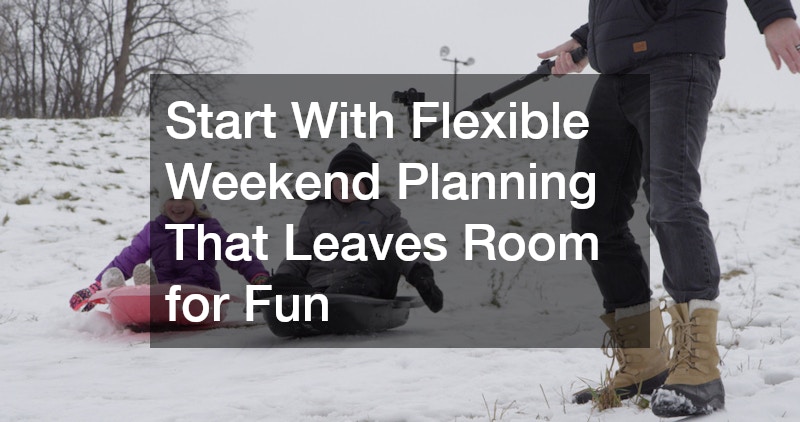
Planning is essential, but rigidity is often the enemy of enjoyment. Kids benefit from structure, yet they also need room to adjust based on energy levels and mood. Flexible planning allows outings to adapt without becoming stressful. This approach reduces the pressure to “make it count” at every moment.
One effective approach is creating a short list of fun things to do this weekend instead of committing to a single, fixed plan. Presenting two or three options gives kids a sense of control while still maintaining boundaries. This small shift often increases cooperation and enthusiasm. It also helps kids practice making choices within limits.
Flexibility also teaches emotional resilience. When plans change due to weather or fatigue and parents respond calmly, kids learn that adjustments are normal and manageable. These lessons often matter more than the activity itself. Over time, children internalize the idea that disappointment doesn’t have to derail the day.
Helpful planning habits include:
-
Offering limited choices instead of open-ended decisions
-
Building in buffer time between activities
-
Avoiding overpacked schedules
-
Ending outings early when energy dips instead of pushing through
In practice, this kind of flexible planning often prevents small disappointments from spiraling into full meltdowns. For example, if a planned outdoor activity gets cut short, having a backup option already discussed helps kids pivot without feeling like something was taken away. Over time, children begin to trust that a change in plans doesn’t mean the fun is over, just different.
Prepare for Outdoor Outings With Backup Power and Safety Plans
Outdoor outings offer freedom, exploration, and space to move, but they require thoughtful preparation. When parents plan ahead, they reduce avoidable stress and make the experience safer for everyone involved. Preparation also helps outings feel intentional rather than chaotic. Kids tend to sense when adults are confident and organized.
For longer outdoor gatherings or events in less-developed areas, access to generators can quietly solve many problems. They can support lighting, keep devices charged, or help with food preparation without becoming the focus of the outing. When handled responsibly, these tools enhance comfort rather than distract from the experience. Their presence often prevents small inconveniences from escalating into full meltdowns.
Kids benefit from understanding why preparation matters. Explaining safety measures and contingency plans helps them feel secure and involved. When children see adults planning responsibly, they internalize those habits for future situations. These conversations also reinforce trust between parents and kids.
Safety-focused preparation may include:
-
Explaining boundaries and expectations ahead of time
-
Demonstrating safe equipment use
-
Assigning simple responsibilities to older kids
-
Checking weather and environmental conditions in advance
When things go wrong outdoors, they usually do so quietly at first. A dead phone, fading daylight, or cold food can slowly drain enthusiasm until kids become irritable without knowing why. Preparation allows parents to solve these issues early, keeping the focus on the experience rather than the discomfort.
Create Hands-On Experiences That Let Kids Build Something Real
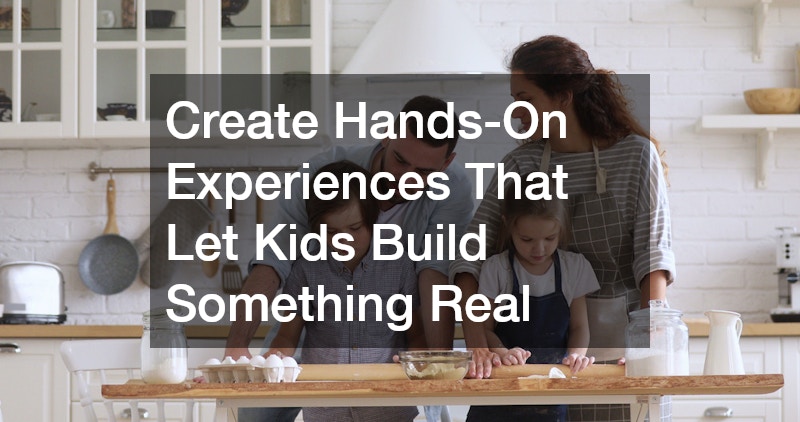
Hands-on activities often outperform passive entertainment when it comes to engagement. Building something tangible gives kids a sense of purpose and accomplishment. These experiences naturally encourage focus, cooperation, and creativity. The act of creating keeps kids mentally present.
Activities centered on fabric building allow kids to experiment without pressure. The materials are forgiving, flexible, and invite imagination. Children can create structures, designs, or functional items that feel uniquely theirs. This freedom often leads to longer attention spans than expected.
Parents benefit from these activities as well. Working alongside kids creates organic conversation and shared problem-solving. The emphasis shifts from managing behavior to collaborating, which strengthens relationships over time. These moments often feel less like supervision and more like partnership.
Key benefits of hands-on building experiences include:
-
Improved fine motor skills
-
Increased patience and perseverance
-
Opportunities for teamwork
-
Stronger memory retention through active participation
Hands-on projects also provide natural opportunities for kids to struggle safely. When something doesn’t work the first time, parents can model patience rather than fixing it immediately. These moments teach kids that effort and adjustment are part of learning, not signs of failure.
Turn Community Events Into Unexpected Family Adventures
Community events are often overlooked as family outing options. They’re accessible, affordable, and rooted in familiar surroundings, which makes them less intimidating for kids. With the right framing, they can become meaningful learning experiences. Familiar settings help kids feel more comfortable exploring.
Attending auctions exposes children to observation, listening skills, and decision-making in action. Kids often enjoy watching how people interact, react, and make choices. Setting clear expectations beforehand helps them stay engaged without becoming overwhelmed. These outings naturally spark questions and curiosity.
After the event, discussing what everyone noticed reinforces the experience. These conversations help children process what they observed and connect it to broader ideas. Over time, kids begin to see their community as a place full of learning opportunities. Reflection helps transform observation into understanding.
Community outings also help children practice social awareness in low-pressure environments. They learn how to observe different behaviors, respect shared spaces, and engage politely with unfamiliar situations. These skills quietly support confidence in broader social settings later on.
Make Special Occasions Feel Big Without Stress

Special outings don’t need to be extravagant to feel meaningful. What matters most is creating an experience that feels different from everyday routines without overwhelming anyone involved. Thoughtful planning goes a long way toward making this happen. Simplicity often reduces tension.
For group celebrations or milestone events, party bus rentals can remove logistical stress while adding novelty. Kids often enjoy the shared travel experience as much as the destination itself. Clear rules and supervision keep the experience fun rather than chaotic. The novelty helps the outing feel special without adding complexity.
Preparation helps everyone relax. When kids understand what’s happening and what’s expected, they’re more likely to stay regulated. A calm environment allows the celebration to feel genuinely enjoyable. Reduced stress increases everyone’s capacity to be present.
Trouble often arises when adults try to force excitement instead of letting it emerge naturally. Kids can sense when an event carries too much emotional weight, which can make them anxious or resistant. Keeping expectations light allows joy to show up organically rather than on command.
Choose Activities That Let Toddlers and Parents Participate Together
Outings with toddlers require realistic expectations. Success is measured in moments of connection, not completion. Activities that allow adults and toddlers to participate together reduce frustration for everyone. Shared participation keeps pressure low.
Simple projects for toddlers and parents create opportunities for shared focus. These activities encourage exploration while allowing adults to guide without controlling. The shared effort keeps attention spans from becoming a barrier. Toddlers respond strongly to visible involvement.
Celebrating effort instead of outcomes is essential at this stage. When toddlers feel supported rather than corrected, they’re more likely to engage. These early positive experiences shape how children approach group activities later on. Emotional safety lays the foundation for confidence.
When outings with toddlers go sideways, it’s rarely because the activity itself failed. More often, fatigue or overstimulation plays a role. Recognizing these signs early and adjusting expectations helps parents preserve positive memories rather than pushing toward frustration.
Introduce Kids to Big Dreams Through Real-World Exposure

Children learn best when they can see ideas in action. Real-world exposure turns abstract concepts into tangible possibilities. These outings don’t need to be formal or lengthy to be impactful. Even brief exposure can spark curiosity.
Observing a flight school introduces kids to ideas about engineering, travel, and responsibility. Seeing real people working toward complex goals sparks curiosity and thoughtful questions. Parents can guide learning by listening rather than lecturing. Curiosity thrives when kids feel heard.
The goal isn’t to push ambition but to expand awareness. Exposure plants seeds that may grow later. These experiences often stay with children long after the outing ends. Small impressions can influence long-term interests.
These exposure-based outings also give parents insight into what genuinely interests their children. A kid who asks questions, lingers, or talks about the experience afterward is signaling curiosity. Paying attention to those cues helps parents support interests without pressure or assumptions.
Channel Energy Into Structured Physical Activities
Children have energy, and how that energy is directed matters. Structured physical activities provide safe outlets while teaching discipline and respect. The structure itself often helps kids feel grounded. Predictability supports emotional regulation.
Programs like jiu-jitsu classes emphasize focus, perseverance, and emotional regulation alongside physical skills. Children learn how to manage frustration and celebrate progress. Parents play an important role in reinforcing these lessons outside of class. Consistency between environments strengthens learning.
Supporting children through challenges builds confidence. When kids see effort valued over perfection, they develop resilience. These skills extend well beyond the activity itself. Physical discipline often translates into emotional discipline.
Structured movement also helps children understand boundaries around physicality. Learning when to stop, how to listen, and how to respect others’ space reinforces emotional regulation. These lessons often show up later in school, friendships, and conflict resolution.
Normalize Self-Care as Part of Family Time
Self-care doesn’t have to be solitary or indulgent. Including it in family outings helps normalize healthy routines. These moments also create opportunities for quiet connection. Calm activities balance more active ones.
A shared manicure outing can open conversations about hygiene, relaxation, and self-expression. When parents model comfort with self-care, kids feel permission to do the same. The experience becomes about time together rather than appearance. Normalization removes stigma.
Slower outings are especially valuable for overstimulated kids. Calm environments teach children how to enjoy stillness. These moments often strengthen communication and trust. Stillness can be just as bonding as activity.
For some kids, especially those who struggle with constant stimulation, these quieter outings can feel unexpectedly grounding. They offer space to talk without distraction or simply enjoy being together without performing. Over time, children may begin to seek out calm moments on their own.
Plan One Big Memory-Making Experience Each Year
Large shared experiences don’t need to be frequent to be meaningful. Planning one significant outing each year gives families something to anticipate together. Involving kids in planning builds excitement and ownership. Anticipation becomes part of the experience.
A family cruise offers structure combined with novelty, which many kids respond to well. Shared routines mixed with new environments create lasting memories. Talking about expectations beforehand helps manage emotions during the trip. Preparation reduces overwhelm.
After returning home, revisiting memories reinforces the bond. Kids love retelling stories and reliving moments. These shared narratives become part of family identity. Storytelling strengthens emotional connections.
The anticipation leading up to a major experience is often just as meaningful as the trip itself. Talking about plans, counting down days, and imagining what might happen builds emotional investment. These shared rituals strengthen family bonds long before the outing begins.
What Kids Really Remember About Family Outings
Children rarely remember outings for their flawless execution. They remember how they felt, who showed up, and whether they felt included. Presence consistently outweighs perfection. Emotional impressions linger longer than details.
Dad-led outings succeed when they prioritize connection over control. Listening, adjusting, and staying engaged builds trust over time. These experiences shape how kids view relationships well into adulthood. Trust grows through consistency.
Family outings don’t need to be expensive or elaborate. Thoughtful planning and genuine involvement matter most. When kids feel seen and supported, they’re far more likely to love the experience—and ask when you can do it again. Repetition reinforces connection.
