

Planning a wedding is often described as exciting, romantic, and joyful. It can be all of those things—but it can also be overwhelming, emotionally charged, and exhausting. For many couples, wedding planning is the first large, complex project they tackle together, and it reveals communication styles, stress responses, and unspoken expectations faster than almost anything else. Supporting your partner through this process is not about controlling decisions or fading into the background. It is about becoming a steady presence who shares both the emotional and logistical weight.
A meaningful wedding does not come from perfectly coordinated details or a flawless timeline. It comes from intention, shared values, and the feeling that both partners were truly present in shaping the experience. When you step into wedding planning with curiosity, patience, and a willingness to learn, you help transform what could be a source of tension into an opportunity for deeper connection. This guide is designed to help you do exactly that—without taking over, checking out, or accidentally becoming another stressor.
Start With Shared Values Before Making Any Decisions

Before any logistical planning begins, the most important work happens quietly and privately. This is the phase where couples align on what the wedding actually represents to them. Without this foundation, decisions feel arbitrary and disagreements escalate quickly because they are not really about flowers or budgets—they are about meaning. Conversations during this stage often circle back to the symbolism of commitment, including how something like an engagement ring was chosen and what it represents to each person.
Instead of rushing into action, slow the process down and create space for discussion. Ask open-ended questions and listen without trying to steer the answers. This is not about consensus on every detail but about understanding priorities.
Helpful questions to explore together include:
-
What do we want this day to feel like for us?
-
Who is this wedding primarily for—us, our families, or our community?
-
Which elements matter deeply, and which ones are flexible?
-
What traditions feel meaningful, and which feel optional?
It is also important to talk honestly about emotional triggers. Weddings often bring up family dynamics, financial stress, and social expectations that have nothing to do with the relationship itself. By acknowledging these factors early, you can approach planning with empathy instead of frustration. When values are aligned first, every later decision becomes easier. Instead of asking, “Is this the right choice?” you are asking, “Does this choice support what we said mattered most?”
Help Narrow Location Options Without Taking Over
Choosing where the wedding will take place is one of the biggest decisions in the entire process, and it often sets constraints that affect every other choice. The number of options can be overwhelming, especially when balancing budget, guest list, location, and atmosphere. This is where thoughtful support matters more than strong opinions. While researching a wedding venue, your job is not to declare preferences but to help filter options through practical and emotional lenses.
Start by offering to take on the research phase collaboratively. This can mean creating a shared list of possibilities or dividing initial scouting duties. Pay attention not only to aesthetics but also to logistics that may not be immediately obvious.
Key considerations to help evaluate options include:
-
Accessibility for guests of different ages and mobility needs
-
Travel distance and accommodation availability
-
Setup and breakdown timelines
-
Noise restrictions or time limits
-
Included services versus external rentals
When discussing options, frame your input as observations rather than judgments. For example, instead of saying something is “too expensive” or “not worth it,” ask how it fits into the larger plan. This keeps the conversation constructive rather than defensive.
You can also help by:
-
Scheduling tours and organizing notes afterward
-
Asking practical questions during walkthroughs
-
Tracking deposits, deadlines, and cancellation policies
The goal is not to narrow choices by force but to reduce decision fatigue. When your partner feels supported rather than second-guessed, the decision becomes shared instead of stressful.
Understand the Guest Experience From Arrival to Exit

A wedding is not just a ceremony and a reception—it is a full-day experience for everyone involved. Thinking through how guests move from one part of the day to the next can dramatically improve comfort and flow. Transportation is often overlooked until late in the planning process, but it plays a critical role in timing, accessibility, and overall mood. Even details like coordinating a wedding limousine service can influence how smoothly the day unfolds.
Supporting your partner here means stepping into a systems-thinking mindset.
Consider questions like:
-
How will guests know where to go and when?
-
What happens if events run late?
-
Are there long gaps with nothing to do?
-
How are older guests or families with children accommodated?
Transportation planning also intersects with safety and stress reduction. When guests do not have to worry about parking, directions, or timing, they arrive more relaxed and present.
Ways you can help include:
-
Mapping routes and travel times
-
Coordinating group transportation schedules
-
Identifying bottlenecks or timing conflicts
-
Communicating logistics clearly in advance
By focusing on guest experience, you are indirectly protecting your partner’s peace of mind. Fewer logistical issues mean fewer interruptions and less emotional labor on the wedding day itself.
Learn What Gets Outsourced and What Doesn’t
One of the fastest ways wedding planning becomes overwhelming is when couples underestimate how many moving parts are involved. Vendors can handle a lot, but they are not mind readers, and they do not automatically coordinate with one another. Understanding the scope of wedding event services helps prevent unrealistic expectations and last-minute panic.
Take time to learn what different service providers actually do—and just as importantly, what they do not do. This knowledge allows you to help your partner ask better questions and avoid gaps in coverage.
Areas that often need clarification include:
-
Who manages the timeline on the wedding day
-
Who handles setup and teardown
-
Who communicates changes to vendors
-
Who solves problems as they arise
You can be especially helpful by tracking contracts, deliverables, and responsibilities. Create a shared document that outlines who is responsible for what and when. This reduces the mental load on your partner and prevents duplication of effort.
Support also looks like:
-
Attending vendor meetings when possible
-
Taking notes and summarizing next steps
-
Confirming details closer to the event date
-
Asking clarifying questions your partner may not think to ask
When expectations are clear, vendors become allies instead of stress points. Your involvement helps ensure that clarity exists long before the wedding day arrives.
Support Style Decisions Without Undermining Confidence
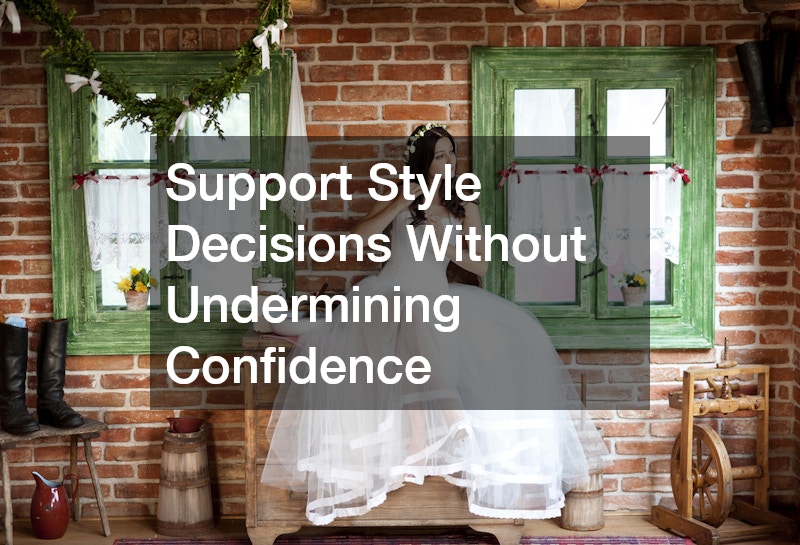
Few aspects of wedding planning are as emotionally loaded as attire. Clothing choices often carry layers of personal identity, body image, tradition, and expectation. Visiting a bridal boutique can be exciting, intimidating, or both. How you show up during this process matters far more than whether you like a particular style.
The most important rule is to follow your partner’s lead. This is not the time to impose preferences or offer unsolicited critiques. Instead, focus on emotional support and encouragement.
Helpful ways to contribute include:
-
Offering to attend appointments if invited
-
Providing reassurance rather than opinions
-
Helping manage logistics like scheduling and transportation
-
Supporting decisions even when they differ from your expectations
If asked for feedback, keep it grounded in how your partner feels rather than how something looks to you. Comments about comfort, confidence, and joy are far more valuable than comments about trends or aesthetics. It is also important to recognize when silence is supportive. When your partner feels safe and supported, decision-making becomes empowering instead of stressful.
Balance Vision With Reality When Planning the Space
Every couple has a mental picture of how their wedding will look, but translating that vision into a real, physical environment requires compromise and creativity. Space constraints, layout limitations, and budget considerations all come into play when working with an event venue. This is where practical problem-solving becomes an act of care.
Help your partner by engaging in thoughtful planning rather than dismissing ideas as unrealistic. Start by understanding the vision fully before discussing constraints.
You can support this process by:
-
Reviewing floor plans together
-
Thinking through guest flow and sightlines
-
Identifying areas where adjustments can be made
-
Suggesting alternatives that preserve the spirit of the vision
It is also useful to think about how the space will feel at different times of day. Lighting, noise, and movement all change as events progress. Anticipating these shifts helps prevent disappointment later.
Your role is to help bridge the gap between imagination and execution without diminishing excitement. When handled well, this collaboration strengthens trust and reinforces that you are a team navigating complexity together.
Be Actively Involved in Food and Guest Comfort Planning
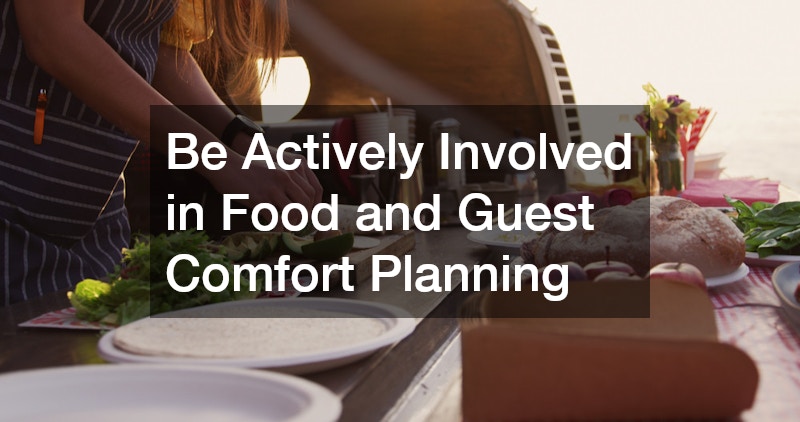
Food is one of the most memorable elements of any wedding, and it directly affects guest satisfaction. Choosing a catering company involves more than selecting a menu—it requires thinking through timing, dietary needs, service style, and coordination with the overall schedule. This is an area where your practical input can make a significant difference.
Start by learning what matters most to your partner regarding food. For some, it is cultural significance. For others, it is guest comfort or dietary inclusivity. Aligning on priorities helps guide decisions.
Ways to contribute meaningfully include:
-
Attending tastings and offering observations
-
Helping track dietary restrictions and preferences
-
Reviewing service logistics and timelines
-
Ensuring there are options for different needs
You can also help think through non-obvious details like:
-
How food is served during cocktail hour
-
Whether portions and pacing match the event length
-
How service staff will move through the space
-
What happens if delays occur
When food planning is handled thoughtfully, it removes a major source of stress and enhances the overall experience for everyone involved.
Strengthen Communication Before Stress Tests It
Wedding planning has a way of amplifying existing communication patterns. Small misunderstandings can escalate quickly under pressure, especially when emotions run high. Proactively strengthening communication skills can prevent conflicts from overshadowing the experience. Some couples choose to explore couples counseling during this period as a way to build tools before they are urgently needed.
Even without formal support, there are steps you can take to improve how you communicate during planning:
-
Schedule regular check-ins to discuss progress and feelings
-
Separate emotional conversations from logistical ones
-
Practice active listening without jumping to solutions
-
Acknowledge stress openly instead of minimizing it
It is also important to recognize when a conversation is no longer productive. Taking breaks and revisiting topics later can prevent unnecessary conflict. Your willingness to engage thoughtfully in communication sets a tone of partnership and respect. It signals that the relationship matters more than any single decision.
Plan for Weather and Variables Without Panic
No matter how carefully you plan, some factors remain outside your control. Weather, delays, and unexpected changes are part of life—and weddings are no exception. Planning for contingencies is not pessimistic; it is practical. This includes coordinating with tent companies when outdoor elements are involved, but the mindset applies more broadly.
Support your partner by approaching contingency planning calmly and early. Frame it as insurance rather than expectation.
Helpful steps include:
-
Identifying potential risks specific to the event
-
Discussing backup plans without alarm
-
Ensuring contracts include flexibility where possible
-
Communicating plans clearly to vendors and key participants
When backup plans are in place, unexpected changes become manageable instead of catastrophic. Your steady approach helps maintain perspective and reduces anxiety as the date approaches.
Handle the Small Details That Quietly Matter
While big decisions get most of the attention, it is often the small details that create last-minute stress. Signage, printed materials, and personal touches require coordination and follow-through. Working with a local print shop, for example, involves proofing, deadlines, and pickups that can easily fall through the cracks.
Taking ownership of these details is one of the most tangible ways to support your partner. It removes tasks from their mental load and ensures nothing is rushed at the last minute.
Helping your partner plan a meaningful wedding is not about becoming an expert planner or making every decision together. It is about showing up consistently, listening deeply, and sharing responsibility with intention. When you approach the process with empathy and curiosity, wedding planning becomes less about perfection and more about partnership. The habits you build during this time—communication, collaboration, and emotional awareness—extend far beyond the wedding day itself. By supporting your partner thoughtfully, you are not just helping plan an event. You are practicing how to navigate life’s big moments together, one decision at a time.
