
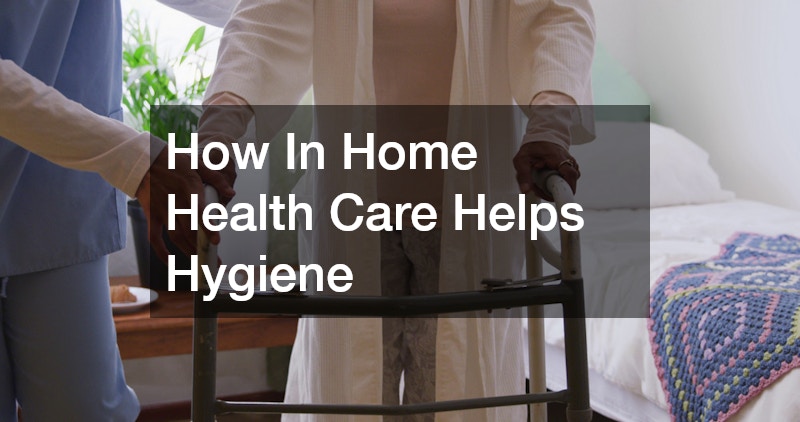
Explore the vital role of in home health care in maintaining and improving hygiene for those needing assistance at home. Hygiene is crucial for health, especially for individuals facing self-care challenges due to age, illness, or disability.
In home services offer tailored support and guidance, ensuring high hygiene standards that affect physical and mental well-being. This article examines the importance, benefits, challenges, and future of in home health care hygiene.
Benefits of In Home Health Care for Personal Hygiene
Improving Access to Hygiene Services
In home health care provides essential services to those unable to leave home, particularly the elderly or mobility-impaired, ensuring necessary hygiene care. Services include bathing, grooming, and dressing, enhancing quality of life. Regular caregiver visits promote routine and reduce infection risks.
Personalized Care Routines
In home health care creates personalized hygiene routines based on individual preferences and needs. Care plans are collaboratively developed, considering personal and cultural practices, to empower patients by respecting their choices.
Preventing Infection and Illness
Hygiene prevents infections, making it a priority in home care. Caregivers enforce habits like handwashing and sanitizing to minimize infection risks, especially for those with compromised immunity, ensuring prompt responses to health issues.
Enhancing Mental Well-being Through Hygiene
Hygiene impacts mental well-being. Personal cleanliness boosts self-esteem, and assistance relieves stress in those struggling with self-care. Caregivers also provide emotional support, reducing isolation and improving mental health.
Supporting Independence and Dignity
In home care supports independence and dignity, encouraging autonomy in personal care tasks. Respectful assistance bolsters confidence, reduces dependence, and offers a non-intrusive alternative to institutions.
Ensuring Proper Hygiene Practices
Training of Caregivers
Caregivers receive comprehensive hygiene training, focusing on infection control, PPE usage, and sanitization. Continuous education ensures up-to-date care, building trust between caregivers and clients.
Routine Monitoring and Assessment
Consistent monitoring ensures ongoing adherence to hygiene practices. Caregivers regularly assess hygiene conditions and adjust care plans, enhancing care quality and patient satisfaction.
Use of Hygienic Equipment and Products
In home care prioritizes hygienic equipment and products like antimicrobial cleansers. Proper usage reduces cross-contamination, supporting hygiene objectives.
Encouraging and Teaching Proper Techniques
Education in hygiene practices is vital. Caregivers teach techniques suited to abilities, promoting self-care and independence.
Documentation and Reporting
Caregivers maintain thorough records to ensure care continuity, highlighting trends and informing necessary changes.
Challenges in In Home Hygiene Care
Limited Resources
Challenges include limited access to specialized equipment. Collaborative efforts address these limits.
Balancing Privacy with Hygiene Needs
Maintaining privacy during hygiene tasks requires sensitive caregiver approaches.
Family Education
Caregivers educate families about hygiene practices, fostering a collaborative care approach.
Managing Resistance
Caregivers use patient-centered strategies to overcome resistance and promote cooperation.
Varied Requirements
Diverse hygiene needs require individualized care plans, supported by ongoing training for caregivers.
Integration into Individualized Care Plans
Incorporating Patient Preferences
Care plans respect patient preferences, enhancing engagement through collaborative practices. Patient feedback is regularly sought to ensure their evolving expectations are met.
Adapting to Special Needs
Care strategies adapt to patients’ special needs using adaptive equipment and techniques. There’s continuous improvement in methods to cater to a wide range of disabilities and conditions.
Setting Goals
Hygiene goals guide care, ensuring continuous progress aligning with patient capabilities. Goals are routinely reviewed and adjusted to align with any changes in the patient’s health status.
Coordination with Professionals
Care plans integrate hygiene with medical treatments through professional collaboration, enhancing outcomes. Regular multidisciplinary team meetings foster updated, comprehensive care approaches.
Continuous Evaluation
Ongoing assessment of care practices ensures responsiveness to patient needs. Evaluations incorporate technological tools to provide quantifiable metrics on patient progress.
Innovations in In Home Hygiene Care
Technology-Driven Solutions
Innovations like smart devices enhance hygiene care, providing real-time monitoring. These technologies are being adopted broadly to facilitate more detailed patient insights and timely interventions.
Enhanced Hygiene Products
Advanced hygiene products improve infection control and caregiver support. Regular product updates introduce features that reduce the risk of cross-contamination.
Telehealth Implementation
Telehealth offers remote hygiene guidance, enhancing care accessibility. Its growing integration widens healthcare access, especially in underserved communities.
Sustainable Practices
Eco-friendly hygiene solutions align with environmental responsibility, promoting sustainable care. Emphasis on reducing carbon footprints drives research in biodegradable product lines.
Public Health Collaboration
Collaborations with public health initiatives support quality care through shared resources and knowledge. Joint strategies focus on addressing both immediate and long-term public health challenges.
In home health care is key for maintaining hygiene, offering tailored solutions that promote health and dignity. Innovations and education enhance care quality and address challenges, fostering better outcomes.

