

The journey of parenthood during the first few years is a profound, life-altering experience filled with immeasurable joy and, quite frankly, a staggering amount of logistical planning. When you first bring a newborn home, your entire world shrinks down to the size of your living room. The days and nights blur together in a continuous cycle of feeding, soothing, and desperately trying to catch a few hours of sleep. However, as the weeks turn into months, that protective newborn bubble inevitably begins to expand. You are suddenly faced with the reality of integrating this new life into the broader world, which means navigating external schedules, preparing for inevitable illnesses, and fostering their rapidly developing minds.
Transitioning from the newborn phase into the active toddler years can feel like climbing a logistical mountain. The sheer volume of decisions you have to make—from how to handle a sudden midnight fever to deciding who will watch your little one when you return to work—can easily lead to decision fatigue. The secret to thriving during this intense season of life is to shift from a reactive mindset to a highly proactive one. You cannot wait until a crisis occurs to figure out your support system.
Thriving as a parent means building a trusted “village” of professionals well before you actually need to call upon them. It requires careful research, strategic planning, and a deep understanding of what your child will need at each developmental milestone. By establishing a robust network of caregivers, medical professionals, and educational facilitators early on, you remove the panic from the equation.
This comprehensive guide is designed to walk you through the essential steps of managing your child’s well-being from infancy through the toddler years. We will explore how to evaluate safe and nurturing environments for your baby, establish a proactive health team, lay the foundation for lifelong learning, monitor critical sensory development, and create an ironclad crisis plan for the bumps and bruises that are guaranteed to happen along the way.
Evaluating Safe and Nurturing Environments for the First Year
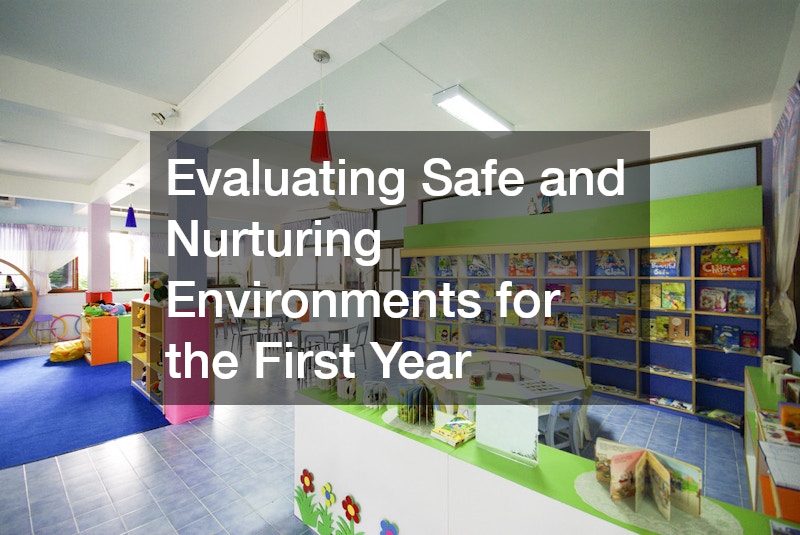
One of the most emotionally taxing milestones for any new parent is the transition back to work. Entrusting the well-being of your vulnerable, non-verbal baby to someone outside of your family requires a massive leap of faith. However, this transition can be managed smoothly if you know exactly what to look for when evaluating potential environments. The goal is to find a setting that not only keeps your child physically safe but also supports their early cognitive and emotional development through responsive caregiving.
When touring facilities, your first priority should always be assessing the caregiver-to-child ratios. Babies require an immense amount of hands-on attention. They need to be held during feedings, soothed when overtired, and engaged with face-to-face interaction to develop secure attachments. High-quality infant childcare facilities adhere strictly to state-mandated ratios, which are typically one caregiver to every three or four babies. If a facility seems chaotic or if caregivers look overwhelmed by the number of babies in their room, it is a significant red flag. You want to see caregivers who are calm, attentive, and actively engaging with the babies on the floor, not just moving from one crying child to the next in a state of constant triage.
Another crucial element to evaluate is the facility’s commitment to safety, sanitation, and sleep protocols. Babies have developing immune systems and are highly susceptible to illness, making rigorous hygiene practices non-negotiable.
During your evaluation, be sure to ask specific questions and observe the following:
- Safe Sleep Practices: Confirm that the facility strictly follows the “ABC” rules of safe sleep—babies must be placed Alone, on their Backs, in an empty Crib. There should be no blankets, bumper pads, or stuffed animals in the cribs whatsoever.
- Sanitation Procedures: Ask how frequently toys are sanitized. In a room full of teething babies, toys are constantly going into mouths. There should be a clear “dirty toy” bin where mouthed items are placed to be disinfected before another child can touch them.
- Bottle Preparation and Storage: Ensure there is a highly organized system for storing and warming breastmilk or formula, with strict labeling protocols to ensure no child ever receives another child’s bottle.
- Daily Communication: A reputable infant daycare will provide you with a detailed daily log. Whether through a digital app or a physical paper chart, you should receive real-time updates on when your baby slept, exactly how many ounces they ate, and the contents of their diaper changes.
By meticulously evaluating the ratios, safety protocols, and communication styles of potential caregivers, you can confidently return to your professional life knowing your baby is in a nurturing, highly secure environment.
Building a Proactive Health Team for Early Milestones
As your baby grows, their medical needs will evolve rapidly. The first year of life is packed with frequent medical visits designed to track growth percentiles, administer vital immunizations, and monitor developmental milestones. Navigating this barrage of appointments requires a dedicated, proactive medical team that understands your family’s unique dynamics and values.
The cornerstone of this team is your primary doctor. Routine well-child visits are scheduled frequently—typically at two weeks, two months, four months, six months, nine months, and one year. These visits are not just about vaccines; they are critical opportunities to discuss your baby’s nutrition, sleep habits, and physical development. A practice specializing in general Pediatrics provides a medical home for your child. By seeing the same doctor consistently, you build a baseline of health. The doctor learns your child’s normal temperament, making it much easier to spot when something is genuinely wrong. Prepare for these visits by keeping a running note on your phone with questions about starting solid foods, sleep training, or any strange rashes you may have noticed, so you don’t forget to ask in the moment.
While most parents are diligent about general medical checkups, oral health is frequently overlooked until a child is much older. There is a common misconception that because baby teeth eventually fall out, they do not require specialized medical attention early on. This could not be further from the truth.
To build a comprehensive health team, you must prioritize early oral care by following these steps:
- Schedule the First Visit Early: The American Academy of Pediatric Dentistry recommends that a child have their first oral exam by their first birthday, or within six months of their first tooth erupting.
- Check for Oral Ties: A specialized pediatric dentist will do much more than just count teeth. They are trained to identify lip ties and tongue ties that can severely impact a baby’s ability to nurse or take a bottle properly, and can even affect speech development later on.
- Protect the Enamel: Baby teeth have much thinner enamel than adult teeth, making them highly susceptible to decay, especially if a baby falls asleep while drinking a bottle (often called bottle rot). Early intervention and fluoride varnish can prevent painful cavities.
- Establish a Dental Home: Just like your primary doctor, establishing a relationship with an oral health professional early on desensitizes your toddler to the clinical environment, making future cleanings stress-free rather than terrifying.
By taking a proactive stance on both whole-body wellness and early oral care, you create a safety net that protects your child’s physical development during their most vulnerable years.

Laying the Foundation for Lifelong Learning
As your baby transitions into an active, curious toddler, their brain becomes an absolute sponge. The toddler years are characterized by a massive explosion in vocabulary, motor skills, and social awareness. This is the stage where many parents begin to think about early education and socialization outside of the home. Choosing the right environment for this developmental leap is a significant decision, as it sets the tone for your child’s relationship with learning for years to come.
Early education is not a one-size-fits-all endeavor. Different children thrive under different teaching philosophies. When exploring your options, you will likely encounter several distinct approaches. Montessori programs, for example, focus heavily on fostering independence, allowing children to choose their own activities from carefully curated stations. Reggio Emilia programs are project-based and highly child-led, focusing on creative expression and community. Traditional play-based programs emphasize social-emotional development through unstructured play and group activities. Deciding to enroll your child in a private preschool allows you to select a specific pedagogical approach that aligns perfectly with your family’s values and your toddler’s unique personality.
However, evaluating these programs requires looking past the glossy brochures and beautifully decorated lobbies. You must observe how the environment actually functions on a day-to-day basis.
When you tour a facility, use this checklist to identify a truly enriching environment:
- Observe the Teachers’ Posture: High-quality educators do not hover over children; they get down on their level. Look for teachers who are sitting on the floor, making eye contact, and speaking to the toddlers with respect rather than simply barking orders.
- Analyze the Artwork: The art on the walls should look like a toddler actually made it. If every craft looks perfectly identical and adult-directed, it means the program values conformity over creative expression. You want to see messy, abstract, process-driven art.
- Examine the Toys: The classroom should be filled with open-ended materials like wooden blocks, sensory bins, and dramatic play costumes. Toys with batteries that do the playing for the child limit imagination and cognitive problem-solving.
- Assess the Conflict Resolution: Toddlers bite, hit, and snatch toys; it is developmentally normal. Ask the director exactly how teachers handle these conflicts. The best preschool will use these moments as opportunities to teach emotional regulation and empathy, rather than relying on punitive time-outs or shaming.
By carefully evaluating the teaching philosophy and the daily realities of the classroom, you can provide your toddler with an environment that fosters deep curiosity, resilience, and a genuine love of learning.
Monitoring Sensory Development and Coordinating Family Schedules
As your toddler grows more independent and begins to navigate complex educational and social environments, monitoring their sensory development becomes increasingly crucial. While major motor milestones like walking and running are easy to track, sensory issues—particularly related to vision and hearing—can be incredibly subtle. Because toddlers cannot articulate that the world looks blurry or that sounds are muffled, these deficits often masquerade as behavioral issues or clumsiness.
It is vital to be hyper-vigilant about your toddler’s visual health. A child who is constantly tripping over toys, struggling to catch a softly rolled ball, or sitting uncomfortably close to a television screen might be compensating for poor eyesight. You might also notice them frequently rubbing their eyes or tilting their head at a severe angle when trying to focus on a picture book. If your primary doctor flags a potential vision issue during a routine screening, do not delay in seeking out specialized care. Visiting dedicated kids eyeglasses stores is highly recommended, as they carry frames specifically engineered for small, active faces. These specialized frames are often highly flexible, durable, and feature specialized straps to ensure they stay secure while a toddler runs, jumps, and plays, allowing them to engage with the world safely and clearly.
Simultaneously, as your toddler’s world expands, your family’s logistical calendar will inevitably become more complicated. This is especially true if you are managing the needs of a toddler alongside older siblings who are already enrolled in elementary school. The clash of drop-off times, nap schedules, and extracurricular activities requires masterful coordination to keep the household running smoothly.
To manage this complex logistical puzzle, consider implementing the following strategies:
- Centralize the Family Calendar: Maintain a highly visible, color-coded calendar in a central location, like the kitchen. Every family member’s schedule—from toddler nap times to older sibling soccer practices—must be accounted for to prevent double-booking.
- Leverage Community Resources: If you are struggling to bridge the gap between when your older child finishes the school day and when you finish the workday, look into facility-based after school care programs. These programs provide a safe, structured environment for older siblings to complete homework and socialize, giving you the necessary margin to pick up your toddler and finish your professional tasks without rushing.
- Establish Firm Routines: Toddlers crave predictability. Keeping meal times, bath times, and bedtimes as consistent as possible across the entire household reduces power struggles and helps everyone transition smoothly from one part of the day to the next.
- Divide and Conquer: If there are two parents or guardians in the home, clearly delineate responsibilities. One person handles the morning daycare drop-off, while the other manages the afternoon pickup and dinner prep. Clear expectations prevent resentment and logistical failures.
By keeping a close eye on your toddler’s subtle sensory cues and establishing highly organized family routines, you can create a harmonious environment where the needs of every child, regardless of their age, are met effectively.

Creating a Crisis Plan for Fevers, Falls, and Nighttime Scares
No matter how carefully you baby-proof your home, how meticulously you sanitize their toys, or how closely you monitor their diet, your child will get sick, and they will get hurt. The toddler years are defined by fearless exploration and immature immune systems, which is a recipe for sudden fevers, scraped knees, and middle-of-the-night coughs. When a medical scare happens, your adrenaline will spike. To prevent panic from clouding your judgment, you must have an ironclad crisis plan established well before the thermometer flashes red.
The most critical component of your crisis plan is knowing how to triage your child’s symptoms. Not every illness requires a frantic trip to the hospital, but waiting too long on a serious symptom can be dangerous. You must understand the difference between a manageable ailment and a true emergency.
Use this triage framework to guide your decision-making during a medical scare:
- At-Home Management: Low-grade fevers in toddlers (over 3 months old) who are still drinking fluids, playing intermittently, and making wet diapers can often be managed at home with rest and weight-appropriate doses of fever reducers. Always consult your doctor’s dosing chart.
- When to Seek Urgent Attention: If your toddler develops a high fever that won’t come down with medication, exhibits signs of an ear infection (tugging at the ear, inconsolable crying when lying flat), or suffers a minor laceration that might need a few stitches, it is time to seek professional help. A local pediatric urgent care is ideal for these situations, especially on weekends or evenings when your primary doctor is closed. These facilities bridge the gap between a standard doctor’s visit and a chaotic hospital trip.
- Recognizing True Emergencies: You must go directly to a hospital if your child is experiencing respiratory distress. Look for signs like “retractions” (the skin sucking in around their ribs or collarbone with every breath), flaring nostrils, or a bluish tint around the lips. Severe lethargy, unresponsiveness, uncontrollable vomiting, or suspected broken bones are also absolute emergencies.
- Mapping the Route: Do not wait for an emergency to figure out where the nearest hospital is. Take the time to identify a hospital in your region that provides dedicated emergency pediatric care. Standard adult emergency rooms often lack child-sized equipment and staff specifically trained in calming terrified toddlers. Physically drive the route to this specialized facility during the day so you know exactly where the emergency entrance is located.
Having the phone numbers for poison control, your primary doctor’s after-hours line, and your nearest urgent facility clearly posted on your refrigerator ensures that anyone watching your child—from a babysitter to a grandparent—knows exactly how to execute the crisis plan without hesitation.
Navigating the Early Years with Confidence
The transition from bringing a fragile newborn home to chasing a fiercely independent toddler is a breathtaking, exhausting, and beautifully chaotic journey. Managing their daily care, educational needs, and inevitable medical hiccups requires an immense amount of physical energy and mental bandwidth. It is entirely normal to feel overwhelmed by the sheer volume of choices you have to make to keep them safe and thriving.
However, by adopting a proactive mindset, you drastically reduce the friction of these early years. Evaluating caregivers with a critical eye, building a robust and specialized medical team, carefully selecting environments that foster their innate curiosity, and having a step-by-step plan for when illnesses strike gives you something invaluable: peace of mind. Challenge yourself to complete just one administrative task today to strengthen your support network—whether that means calling to schedule that first dental exam, updating your medical contact sheet, or touring a local facility. You are your child’s greatest advocate, and while you wear a dozen different hats every single day, your dedication and preparation are exactly what they need to flourish.
