
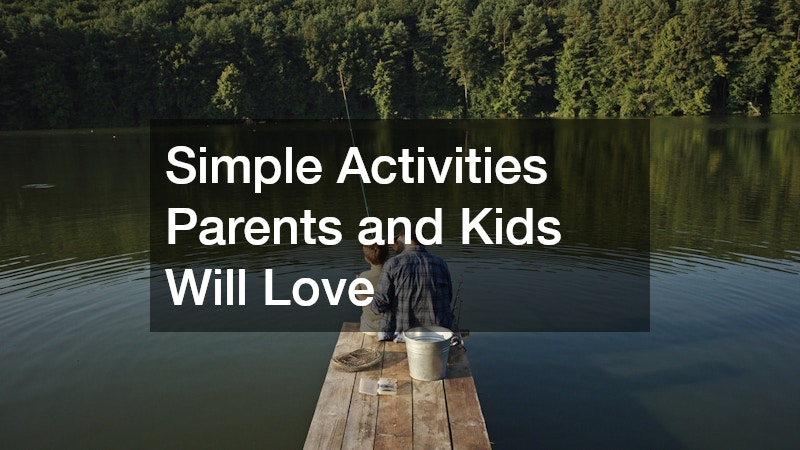
Spending meaningful time with kids doesn’t have to involve elaborate planning or expensive outings. In fact, some of the most lasting impressions children carry into adulthood come from the simplest shared moments—those that feel natural, unforced, and emotionally present. When families remove the pressure of “doing something big,” they often discover that connection is already available in the everyday rhythm of life. A conversation during breakfast, a spontaneous walk after dinner, or a shared laugh over a small mistake can all become meaningful anchors in a child’s memory.
Some of the most memorable family moments come from simple, shared activities that encourage curiosity, conversation, and connection. Children are naturally observant and curious, and when adults meet them with equal curiosity, everyday experiences become opportunities for discovery. Whether noticing wildlife on a walk, trying a new dish together, or collaborating on a small task at home, these shared experiences build emotional familiarity. Over time, they also create a safe space where children feel comfortable expressing themselves openly.
Whether it’s exploring new places, trying new foods, or building small traditions at home, everyday experiences can become lasting memories when approached with intention. Intention doesn’t mean structure or planning every detail—it means being mentally and emotionally present. It’s choosing to engage rather than rush, to listen rather than multitask, and to notice rather than overlook. When families approach daily life this way, even routine activities take on a sense of importance and meaning.
This guide offers practical, real-world ideas that families can easily adapt into their routines. The focus is on accessibility—activities that don’t require special resources, complicated scheduling, or extra stress. Instead, each idea is designed to fit into normal family life in a way that feels natural and sustainable. The goal is to help parents see how connection can be built into what they are already doing, rather than added on as another task.

Exploring Nature as a Shared Learning Experience
One of the most rewarding ways to spend time with children is by getting outdoors and observing wildlife together. Visits to parks, nature trails, or conservation areas for animal encounters can turn into exciting learning experiences when parents encourage kids to notice details like animal tracks, bird calls, or habitats. These small observations help children build awareness and appreciation for the natural world.
To make outings more engaging, parents can turn them into mini scavenger hunts or observation games. Ask children to identify different creatures or record what they see in a simple notebook. This keeps them focused and transforms a casual walk into an interactive experience.
Some helpful ideas for outdoor engagement include:
- Bring a simple field guide for local wildlife identification
- Using binoculars for birdwatching
- Taking photos to review and discuss later
After the outing, families can talk about what surprised them most or what new questions came up. These conversations help reinforce learning and make the experience more meaningful.
Another great approach is revisiting the same location over time to observe changes in seasons or animal behavior. This builds consistency and deepens a child’s understanding of ecosystems.
Turning Everyday Meals Into Cultural Adventures
Food can be a powerful way to explore the world together, especially when families choose to dine out with curiosity and openness. Visiting different local restaurants gives children exposure to new flavors and dining traditions, while also offering a break from routine cooking at home. It’s a simple way to spark conversations about culture and taste.
Introducing children to Chinese food can be particularly engaging because of its variety and sharing-style dishes. Encourage kids to try small portions of different items and describe flavors using their own words. This helps build adventurous eating habits without pressure.
Parents can make these outings more meaningful by:
- Letting kids help choose dishes from the menu
- Asking them to identify ingredients they recognize
- Discussing how different cultures approach meals
These small interactions turn dining into an educational experience rather than just a meal.
Over time, children often become more open-minded eaters when they are regularly exposed to diverse food experiences in a relaxed setting. It also creates opportunities for family discussions that extend beyond the table.
Discovering Local Favorites Through Dining Out
Finding go-to spots as a family can simplify weekend planning while also creating traditions everyone looks forward to. Exploring the best restaurants in your area gives parents a chance to identify places that consistently offer good food and a welcoming atmosphere for kids.
Instead of trying new places randomly, families can create a rotation of favorites. This helps children feel more comfortable and engaged, especially when they know what to expect. It also reduces decision fatigue for parents.
To make dining outings more enjoyable:
- Let children rate each visit and keep a “family favorites” list
- Encourage kids to suggest new places to try
- Choose restaurants with a small kid-friendly menu option
These strategies turn dining out into a shared decision-making process rather than a parent-led activity.
As children become more involved in choosing where to eat, they also develop decision-making skills and a sense of responsibility in family planning.
Comfort Food Experiences That Bring Families Together
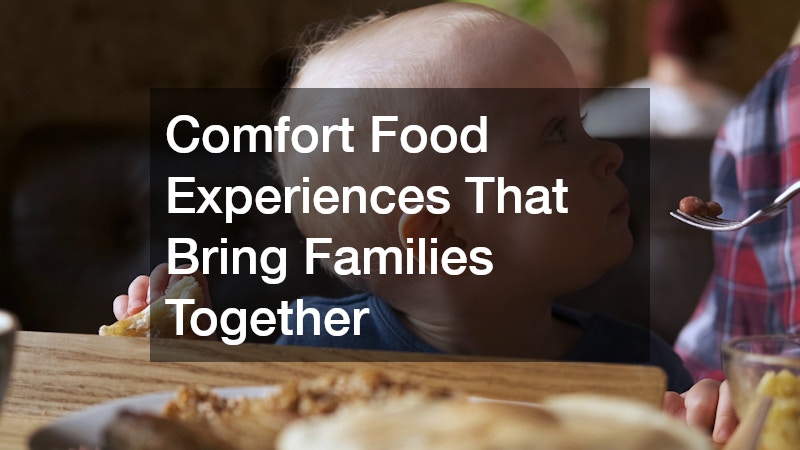
Few meals feel as comforting as a warm bowl of noodles shared with family. Visiting ramen restaurants can be a simple yet enjoyable way to introduce children to comforting, flavorful meals that are both filling and customizable.
Parents can guide children through the experience by explaining broth types, noodle textures, and toppings. Allowing kids to personalize their bowls helps them feel involved and more willing to try new flavors.
A helpful way to enhance the experience includes:
- Comparing different broth bases (light vs. rich)
- Letting kids add toppings like eggs or vegetables
- Discussing spice levels and flavor balance
These conversations make the meal interactive and educational without feeling forced.
After a few visits, children often start identifying their preferences, which helps them become more confident eaters and more engaged during family meals.
Creating a Family Tradition Around Shared Meals
Pizza nights are a simple yet powerful way to bring families together in a relaxed and enjoyable setting. Visiting pizza places or making pizza at home allows everyone to participate in creating a meal that suits their tastes.
Kids especially enjoy the customization aspect, where they can choose toppings and design their own slices. This encourages creativity and decision-making while still being fun and low-pressure.
To enhance the experience, families can:
- Rotate who chooses toppings each time
- Experiment with new flavor combinations
- Compare different crust styles and textures
Over time, this can become a weekly or monthly tradition that everyone looks forward to.
These shared meals also provide an easy opportunity for conversation, making it a natural way to reconnect without distractions.
Building Energy and Confidence Through Movement
Physical activity is most effective when it feels enjoyable rather than structured or forced. Participating in fitness classes as a family or encouraging kids to try group activities can help build healthy habits early on.
Instead of focusing on performance, the goal should be participation and enjoyment. Children are more likely to stay active when they associate movement with fun experiences rather than obligation.
Some family-friendly approaches include:
- Trying beginner-friendly dance or movement classes
- Participating in short weekend activity sessions
- Setting small movement challenges at home
These activities help children build confidence in their physical abilities while also encouraging teamwork.
Over time, families often find that shared movement becomes a natural part of their routine rather than a scheduled task.
Making Shopping Trips Interactive and Fun
Shopping doesn’t have to feel like a chore for kids when it’s approached with structure and engagement. Visiting apparel stores together can become an opportunity to teach children about choices, budgeting, and personal style.
Instead of rushing through stores, parents can involve kids in selecting outfits or comparing colors and materials. This helps children feel included and more attentive during the process.
To make shopping trips smoother:
- Set a small budget for kids to choose an item
- Turn selections into a “try-on fashion show” at home
- Discuss practical uses for each clothing choice
These small strategies turn shopping into a learning experience rather than a passive activity.
Children often become more responsible decision-makers when they are given controlled choices in real-world situations like shopping.

Experiencing Live Cooking as a Family Event
Dining out can become much more engaging when food preparation is part of the experience. Visiting hibachi food restaurants offers families a chance to enjoy both a meal and a performance at the same time.
Children are often fascinated by the interactive cooking style, which keeps them entertained and curious throughout the meal. This can make even picky eaters more willing to try new dishes.
To make the experience more enjoyable:
- Encourage kids to observe cooking techniques
- Discuss ingredients and preparation methods
- Let children predict what will happen next during cooking
These interactions help children stay engaged while also learning about food preparation in a fun environment.
It also creates a shared memory that stands out from regular dining experiences.
Encouraging Creativity Through Hobby Exploration
Supporting children’s interests is an important part of helping them develop creativity and focus. Visiting a card store can introduce kids to hobbies like collecting, trading, or learning games that involve strategy and imagination.
Parents can use these visits as opportunities to discuss value, rarity, and personal interests. It also gives children a chance to explore decision-making in a fun, low-pressure environment.
To make hobby exploration more meaningful:
- Help kids start a small collection based on interest
- Teach them how to organize and care for items
- Encourage sharing and trading with friends
These activities support patience, planning, and social interaction.
Over time, children may develop hobbies that continue to grow with them, offering long-term engagement and enjoyment.

Ending the Day With Simple Shared Traditions
Not every family activity needs to involve going out—some of the most meaningful moments happen at home. Simple routines like storytelling, board games, or shared reflection time help families reconnect at the end of the day.
Creating a consistent evening routine helps children feel grounded and gives parents a chance to unwind while still engaging meaningfully. Even short periods of shared attention can strengthen family bonds.
Helpful ideas include:
- A short “best part of the day” discussion
- Reading together before bedtime
- Playing quick, simple games as a group
These small habits create consistency and emotional connection.
Over time, these routines become the foundation of family life, reinforcing closeness and communication in simple but lasting ways.
Building strong family connections doesn’t require complicated planning or expensive experiences, but it does require intention. In many families, the challenge isn’t a lack of time together—it’s that the time often feels fragmented, rushed, or distracted. When families shift their focus toward being fully present, even brief moments can take on greater meaning. A short conversation in the car, a shared laugh during dinner, or a walk around the neighborhood can become meaningful touchpoints that strengthen relationships over time.
What matters most is consistency, presence, and a willingness to turn everyday moments into opportunities for connection. Consistency builds trust and familiarity; it signals to children that they can rely on regular moments of attention and engagement. Presence, meanwhile, means setting aside distractions and truly engaging with what a child is saying, thinking, or feeling. Even a few minutes of undivided attention can be more impactful than an entire afternoon of divided focus.
Whether exploring new places, sharing meals, or engaging in simple home routines, families can create meaningful memories through small, intentional actions. These experiences don’t need to be extraordinary to be valuable. What makes them memorable is the emotional attention attached to them—the questions asked, the stories shared, and the sense of togetherness built in the process. Over time, these small moments accumulate into a strong foundation of trust and connection.
By embracing simple activities and staying open to shared experiences, parents and children can develop stronger relationships, better communication, and a deeper appreciation for time spent together. Children begin to feel heard and valued, while parents gain insight into their child’s personality, interests, and emotional world. This mutual understanding strengthens the family bond in ways that extend far beyond any single activity, creating a lasting sense of closeness that carries through everyday life.
